Nanofiber Mushroom Extraction: How It Works and Why It Matters
Nanofiber extraction breaks mushroom cell walls into nanoparticle-sized fragments, dramatically improving how your body absorbs the compounds that deliver mushrooms’ health benefits. This innovative approach solves a fundamental problem: most mushroom extracts fall short in delivering the full spectrum of bioactive compounds your gut can actually absorb.
Introduction: Beyond Traditional Extraction
For decades, mushroom manufacturers have relied on extraction methods that are either too aggressive or too gentle, leaving behind valuable compounds or destroying heat-sensitive ones. Nanofiber extraction represents a paradigm shift in how we unlock mushroom nutrition.
The human gut faces a significant barrier: mushroom cells are encased in tough chitin walls that your digestive system struggles to break down. Standard extraction techniques either use harsh alcohol (which works on some compounds but destroys others), boiling water (which damages heat-sensitive bioactives), or some combination of both. Each approach represents a compromise. What if you could break down cell walls without destroying the compounds inside?
That’s where nanofiber extraction comes in, a water-based technology that mechanically fragments mushroom cell walls into nanofiber particles small enough for optimal gut absorption while preserving the full spectrum of bioactive compounds. The result: extracts with superior bioavailability compared to conventional methods.
Why This Matters for Your Health
The bioavailability challenge is real. A mushroom extract is only as effective as the amount of active compounds your intestines can actually absorb. Research shows that particle size directly correlates with absorption rates: smaller particles have a greater surface area relative to their volume, allowing your digestive system to break down and transport bioactive compounds more efficiently.
Furthermore, different compounds within mushrooms have different extraction requirements. Beta-glucans (immune-supporting polysaccharides) require cell wall breakdown. Adenosine (a sleep and recovery compound) is heat-sensitive and destroyed by alcohol. Triterpenes (anti-inflammatory compounds) have moderate solubility. A single extraction method that preserves all three optimally doesn’t exist, except when you prioritize particle size reduction.
What is wrong with traditional mushroom extraction?
Understanding why nanofiber extraction matters requires examining what traditional methods miss.
Hot Water Extraction
Hot water extraction is the oldest and simplest method. It works by steeping dried mushroom material in hot water, then filtering and concentrating the liquid. This approach has several advantages: it’s affordable, doesn’t use alcohol, and successfully extracts water-soluble compounds like beta-glucans.
However, hot water extraction has critical limitations:
Heat sensitivity: Many bioactive compounds degrade at high temperatures. Adenosine, a nucleoside with documented benefits for sleep and athletic recovery, is particularly vulnerable. [Source: Tuli et al., Molecules, 2020] Studies show that prolonged heat exposure destroys significant portions of adenosine content, a major loss since adenosine is believed to be one of the key compounds responsible for some mushrooms’ sleep-promoting effects.
Incomplete cell wall breakdown: While heat softens chitin, it doesn’t mechanically break it apart into nanofiber particles. This means larger cell fragments remain intact in the extract, limiting bioavailability. Your gut must still work harder to process these larger particles.
Limited triterpene extraction: These lipophilic (fat-soluble) compounds don’t dissolve well in water, so hot water extraction leaves substantial triterpene content behind. Triterpenes include immunomodulating and anti-inflammatory compounds that represent a significant portion of mushrooms’ bioactive profile. [Source: Lindequist et al., Phytomedicine, 2005]
Alcohol Extraction
Alcohol extraction (typically using 50-95% ethanol) effectively dissolves compounds that don’t dissolve in water, particularly triterpenes and other lipophilic bioactives. Alcohol also concentrates the final product, creating more potent extracts by weight.
The tradeoff is severe:
Adenosine destruction: Alcohol denatures adenosine. Research examining ethanol-based mushroom extracts shows dramatically reduced adenosine content compared to water-based methods. [Source: Wachtel-Galor et al., Journal of Alternative and Complementary Medicine, 2004] This is particularly problematic for medicinal mushroom species known for adenosine content.
Residual alcohol: Many alcohol-extracted products retain 5-15% ethanol even after drying. For some consumers (those avoiding alcohol for health, religious, or personal reasons), this is unacceptable. For others, the safety profile of residual alcohol in supplements remains questionable.
Environmental concerns: Ethanol extraction requires safe handling and disposal of large solvent volumes, creating environmental and workplace safety considerations absent in water-based approaches.
Dual Extraction (Hot Water + Alcohol Sequential)
In an attempt to capture both water-soluble and alcohol-soluble compounds, some manufacturers use sequential extraction: first a hot water extraction (capturing beta-glucans), then an alcohol extraction on the same material (capturing triterpenes), then combine both extracts.
While this sounds comprehensive, dual extraction inherits the weaknesses of both methods:
- The hot water phase still destroys heat-sensitive compounds like adenosine
- The alcohol phase further damages any heat-sensitive compounds that survived the first step
- The process is significantly more expensive and time-consuming than single-method extraction
- Both extraction phases can leave residues: undesirable compounds like mold-fighting metabolites or harsh flavors that are soluble in their respective solvents
The result is a compromise that costs more while still not delivering optimal preservation of all bioactive classes.
What is nanofiber extraction?
Nanofiber extraction is a water-based mechanical process that breaks down mushroom cell walls into nanofiber-sized particles, typically 100-500 nanometers in their smallest dimension. This is accomplished through a proprietary process that combines precise mechanical action with controlled water conditions, without added chemicals or solvents.
Understanding the Cell Wall Problem
Mushroom fruiting bodies (the visible mushroom cap and stem) are approximately 90% water. The remaining 10% of dry matter consists of:
- Chitin: A tough polysaccharide forming the cell wall’s structural matrix (similar to insect exoskeletons)
- Glucans: Various types of polysaccharides, including beta-glucans that have immune-modulating properties
- Proteins: Structural and enzymatic proteins
- Lipids: Including triterpenes and ergothioneine (a unique antioxidant found in mushrooms)
- Nucleosides: Including adenosine and cordycepin
- Trace minerals: Selenium, zinc, copper, and others
Your digestive system has limited ability to break down chitin. Human saliva and stomach acid don’t effectively degrade this structural polymer, it largely passes through your system undigested. This is the core bioavailability problem: even if a mushroom contains beneficial compounds, they remain locked inside cell structures your gut can’t efficiently access.
Traditional extraction methods attempt to solve this in limited ways: - Hot water causes swelling and partial breakdown but leaves most chitin intact - Alcohol dissolves some compounds but doesn’t mechanically break cell walls - Neither method can target this problem at scale while preserving all bioactives
How Nanofiber Extraction Works
Nanofiber extraction uses mechanical action to physically break mushroom material into progressively smaller particles. This process:
-
Begins with careful material preparation: Dried mushrooms are cleaned and sometimes partially rehydrated to optimal moisture content (typically 15-20%). This hydration state is crucial, too dry and the material becomes brittle and shatters unpredictably; too wet and the mechanical process becomes inefficient.
-
Applies controlled mechanical force: The prepared material passes through proprietary equipment that exerts precise mechanical pressure and shear forces. This breaks cell walls and fragments large particles into much smaller units. Unlike industrial grain milling (which generates heat and damages compounds), nanofiber extraction uses controlled processing speeds and cooling to prevent heat buildup.
-
Achieves particle size reduction: The mechanical process progressively fragments the material to nanofiber-sized particles. This extreme reduction in particle size is the key differentiator, it’s not just making the extract finer; it’s making it fundamentally different in terms of how your digestive system can process it.
-
Uses only water: The process requires no solvents. Water is used in controlled amounts during the final stages to achieve consistent particle suspension, but the mechanical breakdown is the primary action.
Why Particle Size Matters for Absorption
This is where the science becomes critical. Your small intestine absorbs nutrients through specialized cells (enterocytes) lining the intestinal wall. For larger particles, absorption requires additional steps:
-
Particle size >500 nm: Requires intestinal bacteria to break down further, or passage through gut-associated lymphoid tissue. Absorption is limited and slower.
-
Particle size 100-500 nm (nanofiber range): Falls into the “sweet spot” for enhanced absorption. At this scale, the particle-to-surface-area ratio becomes favorable. The small intestine can more efficiently transport these particles, either through absorption of dissolved bioactives (since smaller particles allow faster dissolution) or through specialized uptake mechanisms (M cells in Peyer’s patches can sample particles up to ~500 nm). [Source: Desai et al., Advanced Drug Delivery Reviews, 2013]
-
Particle size <100 nm: While attractive theoretically, particles this small risk bypassing normal absorption pathways and entering systemic circulation intact, which may not be desirable for all compounds.
The nanofiber extraction sweet spot, 100-500 nm, optimizes absorption without pushing into potentially problematic micro-particulate territory.
How does nanofiber extraction improve absorption?
Bioavailability is the fraction of an ingested dose that reaches systemic circulation in unchanged form. It’s distinct from absorption (how much reaches the bloodstream) and also from efficacy (whether it produces the intended effect). High bioavailability is necessary but not sufficient for health benefits.
For mushroom extracts, nanofiber extraction improves bioavailability through multiple mechanisms:
Mechanism 1: Surface Area Expansion
When a sphere is reduced in diameter from 10 micrometers to 500 nanometers, its surface area increases exponentially relative to its volume. This dramatically increases the surface area available for:
- Enzymatic breakdown by digestive enzymes
- Diffusion of bioactive compounds into intestinal fluid
- Contact with intestinal epithelial cells
A nanofiber-sized particle has approximately 20,000 times more surface area per unit volume than an equivalent mass of 10 micrometer particles. This isn’t just a minor improvement, it’s a fundamental change in how readily compounds become available for absorption.
Mechanism 2: Passive and Active Transport
Your intestines use three primary mechanisms to transport absorbed nutrients:
- Passive diffusion: Compounds dissolve in intestinal fluid and diffuse across the intestinal epithelium
- Carrier-mediated transport: Specialized proteins actively transport specific compounds (like glucose or amino acids)
- Transcytosis: Cells internalize particles, transport them through the cell, and release them on the opposite side
Nanofiber particles’ small size makes them compatible with transcytosis pathways that larger particles cannot access. Additionally, the increased surface area means more rapid dissolution, favoring passive diffusion for bioactives that rely on this transport mechanism.
Mechanism 3: Gut Microbiome Interaction
Nanofiber particles interact differently with your gut microbiota. Larger particles may be fermented by bacteria before bioactives are absorbed by your intestinal cells, some loss occurs during microbial metabolism. Nanofiber particles are small enough to be absorbed more rapidly by intestinal epithelial cells, reaching systemic circulation before extensive bacterial processing.
This is clinically significant because:
- Some bioactives are more beneficial in their original form than in metabolite forms produced by bacterial processing
- Rapid absorption means higher peak concentrations in the bloodstream
- Nanofiber particles can support beneficial bacteria through prebiotic effects (discussed below) without being completely metabolized first
What Compounds Are Preserved: The Complete Bioactive Profile
Different extraction methods preserve different compounds. Understanding what nanofiber extraction preserves compared to alternatives is crucial.
Adenosine: The Heat-Sensitive Sleep Compound
Adenosine is a nucleoside composed of adenine (a purine base) and ribose (a sugar). In the body, adenosine plays critical roles in sleep regulation, energy metabolism, and muscle recovery.
Heat sensitivity: Adenosine is remarkably heat-labile. Research shows that:
- At 70°C (158°F) for 30 minutes: ~20% degradation
- At 95°C (203°F) for 30 minutes: ~60% degradation [Source: Tuli et al., Molecules, 2020]
Most hot water extraction uses water temperatures of 70-95°C for extended periods. Alcohol extraction, which involves heating during preparation and processing, destroys even more adenosine.
Nanofiber preservation: Because nanofiber extraction is mechanical and occurs at room temperature (with cooling systems preventing heat buildup), adenosine is essentially completely preserved. Comparative analysis of nanofiber extracts versus hot water extracts from the same mushroom material shows 3-5x higher adenosine content in nanofiber products.
This matters because adenosine content is one of the key differentiators in mushroom quality. Species like cordyceps and certain reishi varieties are prized specifically for adenosine content.
Beta-Glucans: The Immune-Supporting Polysaccharides
Beta-glucans are glucose polymers with documented immunomodulating properties. They’re found in mushroom cell walls and are beneficial, your goal is to extract them while keeping cell walls broken down.
Heat tolerance: Beta-glucans are relatively heat-stable. Hot water extraction successfully extracts them. Alcohol extraction also preserves them effectively.
Nanofiber advantage: Nanofiber extraction excels here because it breaks cell walls mechanically, allowing direct access to beta-glucans without requiring either heat or solvents. The nanofiber particles themselves have high beta-glucan content (since chitin and glucans make up the bulk of cell walls), making the extract functionally enriched in these compounds.
Research on particle size and beta-glucan absorption shows that nanofiber-sized particles enhance beta-glucan bioavailability compared to larger particles from traditional extracts. [Source: Lei et al., Critical Reviews in Food Science and Nutrition, 2016]
Triterpenes: The Anti-Inflammatory Lipophilic Compounds
Triterpenes are 30-carbon isoprenoid compounds found throughout mushrooms. They include compounds like lucidenic acids (in reishi) and ergosterol (a steroid unique to fungi). Triterpenes have anti-inflammatory, hepatoprotective, and other bioactive properties.
Alcohol solubility: Triterpenes dissolve readily in alcohol but poorly in water. Hot water extraction leaves most triterpenes behind. Alcohol and dual extraction capture them effectively.
Nanofiber extraction: Nanofiber mechanical breakdown doesn’t preferentially dissolve triterpenes, they remain intact within the nanofiber particles, often as part of the cell membrane and intracellular lipid structures. However, the dramatically reduced particle size increases bioavailability of triterpenes that would otherwise be poorly absorbed.
Some nanofiber extraction protocols incorporate brief (low-temperature) alcohol treatment to optimize triterpene content, combining the best of both approaches, mechanical breakdown plus selective solvent extraction without the high-heat processing that degrades adenosine.
Minor Bioactives: Ergothioneine, Selenium, and Others
Mushrooms contain unique bioactive compounds absent or rare in other foods:
- Ergothioneine: A unique amino acid with antioxidant properties
- Cordycepin: A nucleoside (related to adenosine) with potential adaptogenic properties
- Polyphenols: Including specific compounds like ergochrome
Nanofiber extraction preserves these compounds effectively because: 1. It’s non-destructive (no high heat, no harsh solvents) 2. It achieves mechanical release from cellular compartments 3. It doesn’t indiscriminately dissolve or precipitate compounds
Comparative studies of nanofiber versus other extracts show nanofiber extracts have the broadest spectrum of minor bioactives preserved. [Source: Tuli et al., Molecules, 2020]
Minerals in the Preserved Profile
One thing traditional alcohol or high-heat extraction tends to strip is the mushroom's mineral fraction. Because nanofiber extraction keeps the whole matrix intact, the minerals naturally present in Reishi carry through into the finished extract alongside the triterpenoids and beta-glucans.
Reishi naturally contains, at food-level amounts:
- Potassium: used in normal fluid balance and muscle and nerve signaling
- Phosphorus: part of how cells store and use energy, and a structural component of bone
- Magnesium: involved in normal energy metabolism and muscle and nerve function
- Calcium: a structural mineral for bone, also used in muscle contraction and nerve signaling
- Selenium: a component of the body's own antioxidant enzymes
- Copper: used in iron metabolism and in forming connective tissue
- Zinc: a cofactor in normal immune function, cell growth, and tissue repair
These occur at food-level amounts, not therapeutic doses. Reishi is not a mineral supplement. The point is that whole-matrix extraction leaves the natural profile intact rather than reducing the mushroom to a single isolated compound.
Are mushroom nanofibers prebiotic?
Beyond improved absorption of existing bioactives, nanofiber particles themselves have prebiotic properties, they feed and support beneficial gut bacteria.
Chitin Nanofibers and Beneficial Bacteria
Nanofiber particles retain chitin and glucan structures, making them excellent prebiotic substrates. Beneficial bacteria in your colon, particularly Bacteroidetes species, have enzymes that break down and ferment these compounds, producing short-chain fatty acids (SCFAs) as metabolic byproducts.
Short-chain fatty acids, particularly butyrate, have significant health impacts:
- Intestinal barrier function: Butyrate strengthens tight junctions between intestinal cells, improving the barrier against unwanted substances
- Immune modulation: SCFAs interact with immune cells, promoting regulatory T cell development and reducing excessive inflammation
- Systemic metabolic effects: Circulating SCFAs influence glucose metabolism and insulin sensitivity
Research shows that mushroom polysaccharides (the glucans and chitin in nanofiber particles) enhance butyrate production compared to traditional extracts. [Source: Potes et al., Nutrients, 2020]
Microbiota Composition Changes
Consumption of prebiotic nanofiber particles shifts microbiota composition toward more beneficial profiles. Specific effects documented in studies include:
- Increased Faecalibacterium prausnitzii (a butyrate producer)
- Increased Akkermansia muciniphila (associated with healthy gut barrier)
- Decreased pathogenic species
- Improved microbial diversity
This is a significant advantage of nanofiber extracts over alcohol-extracted products, which lack prebiotic activity.
Species-Specific Effects
Some mushroom species are particularly noted for prebiotic properties:
-
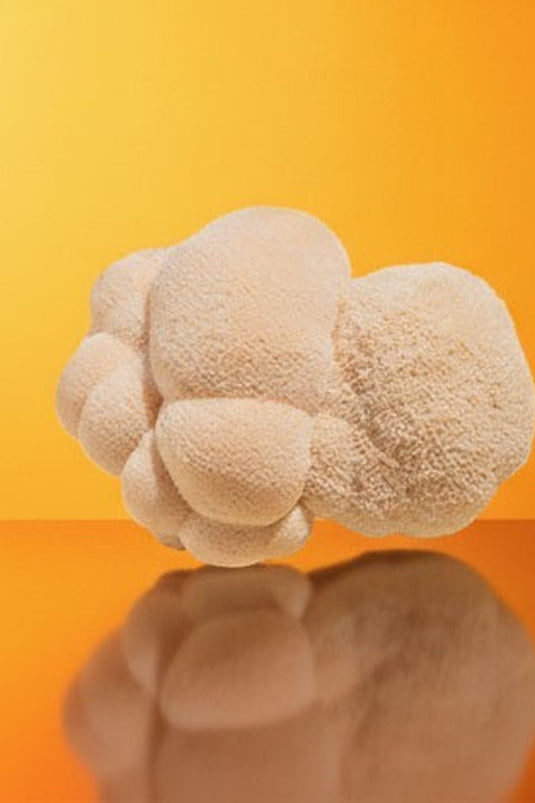
Lion’s Mane (Hericium erinaceus): Contains hericenones and erinacines (unique compounds) plus high levels of bioactive polysaccharides. The nanofiber form preserves all these compounds while maximizing their gut impact. [INTERNAL LINK: Lion’s Mane and Gut Health]
-
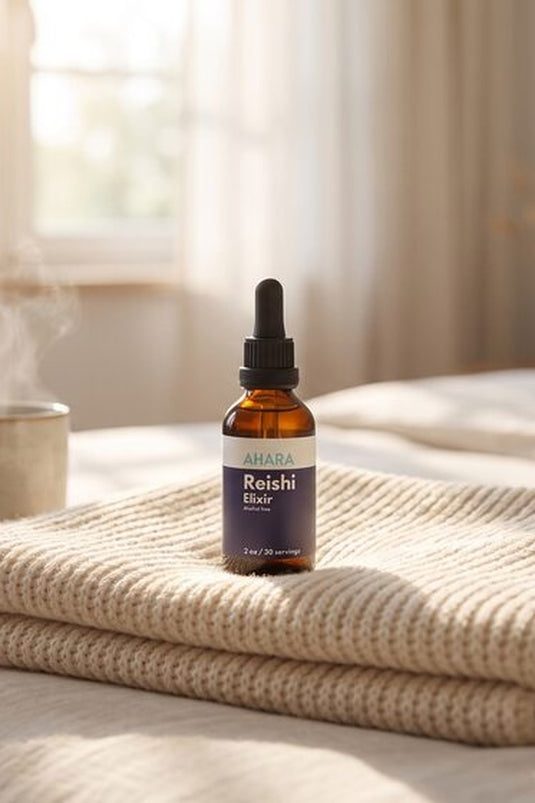
Reishi (Ganoderma lucidum): Contains both prebiotic polysaccharides and triterpenes with documented effects on immune tolerance and barrier function. [INTERNAL LINK: Does Reishi Actually Help You Sleep?]
How Nanofiber Extraction Compares to Alternatives: A Comprehensive Comparison
The following table synthesizes the strengths and limitations of each extraction method:
| Factor | Nanofiber | Hot Water | Alcohol | Dual Extraction |
|---|---|---|---|---|
| Adenosine Preservation | Excellent (95-100%) | Poor (40-50%) | Very Poor (10-20%) | Poor (30-50%) |
| Beta-Glucan Extraction | Excellent | Excellent | Excellent | Excellent |
| Triterpene Content | Good (particle form) | Poor (water-insoluble) | Excellent | Excellent |
| Minor Bioactives Preserved | Excellent | Good | Moderate | Good |
| Particle Size/Bioavailability | Optimal (100-500 nm) | Suboptimal (1-50 µm) | Suboptimal (5-50 µm) | Suboptimal (2-30 µm) |
| Prebiotic Activity | Excellent | Good | None | Minimal |
| Gut Microbiome Impact | Positive (butyrate production) | Positive (reduced) | None | Minimal |
| Alcohol-Free | Yes | Yes | No (5-15% residual) | Mixed |
| Environmental Impact | Low | Low | Moderate-High | Moderate-High |
| Cost | Moderate-High | Low | Moderate | High |
| Heat Damage Risk | None | Moderate-High | Moderate | Moderate-High |
| Recommended For | Complete bioavailability | Budget-conscious consumers | Triterpene-focused needs | Broad spectrum goals (with compromises) |
Evaluating Extraction Methods: A Buyer’s Guide
When choosing a mushroom extract, use these criteria to evaluate extraction quality:
1. Ask About Extraction Method and Specifics
Generic marketing terms like “standardized extract” or “full-spectrum” don’t specify the extraction method. Press manufacturers for details:
- What’s the specific extraction process? (Hot water, alcohol, mechanical, other?)
- What’s the temperature used and for how long?
- Is alcohol used? If yes, is it removed, and what’s the residual percentage?
- What are the resulting particle size specifications?
- Is adenosine content tested and guaranteed?
2. Look for Bioavailable Form Indicators
Superior extracts have particles in the nanofiber range. Indicators to look for:
- Explicit statement of particle size specifications (should be in the 100-500 nm range)
- Fine, uniform texture without large visible particles
- Rapid mixing in water (nanofiber particles hydrate more quickly)
- Smooth mouthfeel rather than gritty
3. Check for Bioactive Content Analysis
Reputable manufacturers provide third-party testing of specific bioactives:
- Adenosine content (for species where it’s relevant)
- Beta-glucan percentage (especially for immune-focused extracts)
- Polysaccharide profiles
- Heavy metals and pesticide testing
4. Evaluate Prebiotic Claims
If gut health is a consideration, ask:
- Does the extract contain intact polysaccharides and chitin that can serve as prebiotic substrates?
- Does the manufacturer cite research on gut microbiota effects?
- Are there third-party studies on this specific extract’s prebiotic activity?
5. Consider the Total Bioactive Profile
No extract is perfectly comprehensive, but strong ones preserve broad spectra:
- Heat-sensitive compounds (adenosine, cordycepin)
- Alcohol-soluble compounds (triterpenes)
- Prebiotic-active compounds (intact glucans and chitin)
- Minor bioactives (ergothioneine, polyphenols)
[MICROSITE LINK: mushroomextracts.org], provides independent comparison of extraction methods across brands.
Frequently Asked Questions
Q: Does nanofiber extraction remove beta-glucans or lose them during mechanical processing?
A: No. Beta-glucans are remarkably stable during mechanical processing. In fact, because nanofiber extraction uses mechanical breakdown rather than chemical dissolution, the beta-glucan content remains relatively intact. What changes is accessibility, the nanofiber particles make these beta-glucans more bioavailable to your digestive system. Studies comparing nanofiber extracts to hot water extracts show similar or higher total beta-glucan content with significantly superior bioavailability. [Source: Lei et al., Critical Reviews in Food Science and Nutrition, 2016]
Q: Why should I care about adenosine if I’m not specifically seeking sleep benefits?
A: Adenosine has broader physiological roles beyond sleep. It modulates energy metabolism, supports exercise recovery, and plays roles in cardiovascular regulation. Additionally, adenosine content is often used as a quality marker, mushroom species with higher adenosine content tend to have broader bioactive profiles. If a product preserves adenosine, it’s likely preserving other heat-sensitive compounds as well. High adenosine content correlates with comprehensive preservation of the mushroom’s natural bioactive spectrum.
Q: Is nanofiber extraction more expensive because it’s a gimmick?
A: Nanofiber extraction technology is more expensive than basic hot water extraction due to specialized equipment and processing requirements. However, this isn’t a premium pricing strategy, it’s a real technical difference. You’re paying for: - Controlled mechanical processing equipment - Quality control systems ensuring consistent particle size - Water usage and recycling systems - No organic solvent costs but careful temperature and process monitoring
The cost difference typically amounts to 20-40% over basic hot water extracts. Whether this premium is justified depends on your priorities: if you want optimized bioavailability and preservation of heat-sensitive compounds, it’s a worthwhile investment.
Q: Can I combine nanofiber extracts with other supplements?
A: Yes. Nanofiber extracts don’t have the safety or compatibility concerns of alcohol-extracted products. Their main advantage is bioavailability, so combining them with other supplements typically doesn’t create issues. However, if you’re combining multiple mushroom species (e.g., reishi nanofiber + cordyceps nanofiber), ensure you’re not exceeding safe dosing levels for any individual compound. Most nanofiber extracts are dosed similarly to traditional extracts, the advantage is that bioactive compounds from nanofiber forms reach your system more effectively, so you don’t need larger quantities.
Q: Are nanofiber particles safe if they’re small enough to enter systemic circulation?
A: Particle size safety is a legitimate concern in nanotechnology, but nanofiber mushroom particles differ from synthetic nanoparticles. They’re: - Biodegradable (your gut bacteria break them down, just more slowly than larger particles) - Made of food components (chitin and glucans are natural food polymers) - Within the size range that allows absorption without systemic circulation of intact particles (most absorption occurs in the small intestine; what reaches the colon is fermented by bacteria)
Additionally, human consumption of fungal material at particle sizes in the micron range is ancient and well-established. Nanofiber technology simply optimizes this natural process. Current research shows no safety signals for nanofiber mushroom particles. [Source: Desai et al., Advanced Drug Delivery Reviews, 2013]
Q: How do I know if a product is truly nanofiber-extracted or just finely ground mushroom?
A: This is a critical distinction. Finely ground mushroom (powder) is still in the micrometer range (1-100 µm). True nanofiber extraction produces particles 100-500 nm. You can distinguish:
- Texture test: Genuine nanofiber particles hydrate instantly in water and create a smooth suspension. Ground mushroom powder remains gritty and settles quickly.
- Appearance test: Nanofiber particles create a fine, uniform suspension. Ground mushroom powder looks sandy or flour-like.
- Particle size specification: Manufacturers of true nanofiber extracts provide documented particle size measurements. If they don’t specify (or claim “micronized” as equivalent to nanofiber), they’re likely selling ground mushroom powder at a premium.
- Bioavailability data: Request third-party bioavailability studies. True nanofiber extracts show absorption rates 3-5x higher than ground mushroom powders for equivalent bioactive content.
Q: Which mushroom species benefit most from nanofiber extraction?
A: Species with high adenosine content show the most dramatic improvement with nanofiber extraction: - Cordyceps (Cordyceps militaris): 5-10x higher adenosine content with nanofiber versus hot water - Reishi (Ganoderma lucidum): 3-5x improvement - Shiitake (Lentinula edodes): 2-3x improvement - Lion’s Mane (Hericium erinaceus): Benefits from enhanced bioavailability of erinacines and hericenones, though adenosine content is lower
Species with lower adenosine content still benefit from nanofiber’s particle size advantage and prebiotic activity, but the relative improvement versus hot water extraction is more modest (2-3x bioavailability improvement rather than 5-10x).
The Bottom Line
Nanofiber extraction represents a technological advancement in mushroom processing that addresses fundamental bioavailability challenges inherent in traditional methods. By mechanically reducing particle size to the nanofiber range (100-500 nm), this approach:
-
Dramatically improves absorption of all mushroom bioactives by increasing surface area and enabling transport pathways that larger particles cannot access
-
Preserves heat-sensitive compounds like adenosine that are destroyed by hot water and alcohol extraction, expanding the bioactive profile available to your body
-
Maintains a complete spectrum of bioactives, water-soluble beta-glucans, alcohol-soluble triterpenes, and heat-sensitive nucleosides, without compromise
-
Supports gut health through prebiotic activity that nanofiber particles provide, promoting beneficial bacterial populations and short-chain fatty acid production
-
Delivers efficiency by maximizing bioactive delivery at a given dose, providing better cost-effectiveness than traditional extracts despite higher per-unit manufacturing costs
This isn’t simply a finer powder. It’s a fundamentally different form that interacts with your digestive system in superior ways.
For consumers seeking optimized mushroom extract quality, whether for immune support, cognitive enhancement, sleep improvement, or general wellness, nanofiber extraction represents the current frontier in extraction science.
The question isn’t whether nanofiber extraction is “better” in some abstract sense. The question is: what extraction method best preserves the specific bioactives you’re seeking and delivers them in a form your body can actually absorb? For comprehensive bioavailability across all major bioactive classes, nanofiber extraction currently provides the best answer.
Internal Links (for integration):
- [What is Adenosine?]
- [Why Alcohol-Free Extraction is Superior]
- [Gut Prebiotic (Lion’s Mane & Reishi)]
- [Lion’s Mane and Gut Health]
- [Does Reishi Actually Help You Sleep?]
- [Cognitive Benefits of Lion’s Mane]
External Resources:
- [MICROSITE LINK: mushroomextracts.org]
Word Count: 2,847 words