Natural Sleep Aid for Kids: A Parent’s Evidence-Based Guide
Your 7-year-old is still awake at 9 PM. Your teenager’s sleep schedule has shifted to 2 AM naturally. Your 4-year-old fights bedtime like it’s a personal insult.
And you’re wondering: Is there something safe I can give them? Would a natural sleep aid help?
The honest answer is both simpler and more complicated than supplement marketing suggests. Yes, natural options exist. No, most are not appropriate for most children. And yes, “natural” does not mean “safe for kids.”
This guide covers what the research actually says about natural sleep aids for different ages, when they might help, what the common options are, and crucially, why behavioral and environmental changes work better than any supplement.
Why Parents Search for Natural Sleep Aids
The reasons parents look for sleep solutions are understandable:
Screen time and blue light exposure: The average 8-year-old has 4 to 6 hours of screen exposure daily (devices, TV, tablets). Blue light suppresses melatonin production, making natural sleep harder. Smartphones in bedrooms are particularly disruptive, the combination of screen light, dopamine stimulation, and fear of missing out is neurologically hostile to sleep.
School stress and anxiety: Modern childhood includes academic pressure, social anxiety (often amplified by social media), and structured schedules that leave little downtime. Anxiety is the most common reason children have sleep difficulties, and anxiety doesn’t respond well to supplements alone.
Bedtime resistance: Some children simply fight sleep. This is developmentally normal in certain age ranges (toddlers and teenagers especially), but it’s exhausting. Parents search for solutions that might make bedtime easier.
Concerns about pharmaceutical options: Many parents understandably hesitate before giving children prescription sleep medications, which carry risks of dependence, behavioral side effects, and incomplete understanding of long-term impacts on developing brains.
All legitimate concerns. All worth exploring thoughtfully.
Are Natural Sleep Aids Safe for Children?
Here’s the critical distinction that supplement marketing often blurs:
“Natural” does not mean “safe for all ages.” Arsenic is natural. So are many plant toxins. The relevant question isn’t “is this natural?” but “is this safe for my child’s age, dose, and developmental stage?”
Always consult a pediatrician first. This is not caution-mongering; it’s essential. Your pediatrician knows your child’s health history, current medications (if any), and developmental stage. A supplement that’s fine for a 14-year-old is inappropriate for a 4-year-old. A compound that doesn’t interact with your daughter’s ADHD medication might interact with your son’s allergy medicine.
The FDA doesn’t regulate supplements for pediatric use. This is a crucial gap. The FDA approves medications for specific ages based on safety testing. Supplements skip this process. When manufacturers list “Ages 12+” it’s often guesswork, not based on actual pediatric safety data. Additionally, supplement quality varies wildly, a 2022 analysis of children’s melatonin products found that actual melatonin content ranged from 1.3 to 464 micrograms despite identical label claims. Your child might get a 30x overdose by accident.
Dose matters enormously with children. A 40-pound child is not a scaled-down version of a 180-pound adult. Their kidneys and liver are less efficient at processing compounds. Their brains are still developing, neuroplasticity is still high, which means they’re more susceptible to long-term changes from repeated exposure to any psychoactive substance.
Best Natural Sleep Aids by Age Group
For Toddlers (Ages 2 to 4)
The simple answer: Focus on behavioral and environmental changes, not supplements.
At this age, sleep problems are usually environmental or behavioral, not biochemical. A toddler who won’t sleep usually needs: - A consistent bedtime routine (bath, story, bed) - A dark, cool room - Parental consistency (every time) - Resolution of underlying anxiety or developmental fears
If you want to explore herbal support, with pediatrician approval:
Chamomile is mild and has a long history of use with children. A small cup of chamomile tea 30 minutes before bed is unlikely to harm and may help through a combination of warmth, routine, and mild effects. However, it won’t fix sleep problems caused by inconsistent routines or an overstimulating environment.
Lavender aromatherapy (via a diffuser, not applied to skin directly) is also very mild. Some research suggests the scent promotes relaxation, though this is partly placebo.
Absolutely avoid: Any supplement tablets or capsules with toddlers (choking risk). Avoid melatonin entirely (see below). Avoid essential oils applied directly to skin.
For Kids (Ages 5 to 12)
Children in this range have more developed neurobiology, but their brains are still rapidly developing. Safety margins are wider than with toddlers, but not wide.
Sleep problems in this age group are usually: - Anxiety (about school, social situations, the dark) - Poor sleep hygiene (too much daytime screen time, inconsistent bedtimes) - Untreated sleep disorders (sleep apnea is more common than most parents realize)
Before supplements, address the basics: - Screen-free time 60 minutes before bed - Consistent sleep schedule (even on weekends) - Physical activity during the day (outdoor play reduces anxiety and promotes sleep) - Managing anxiety through conversation and coping strategies
If you want to explore mild supplemental support, with pediatrician approval:
Magnesium (reduced dose): Kids can tolerate magnesium glycinate, the form that’s least likely to cause GI upset. Typical dose for kids ages 5 to 12 would be 50 to 100mg (adults take 200 to 400mg). Magnesium is generally considered safe for children in appropriate doses. The concern with magnesium isn’t toxicity but laxative effects at high doses.
Research in children is limited, but magnesium supplementation has been studied in kids with ADHD and anxiety, both of which improve sleep. A small 2017 study in Nutritional Neuroscience found magnesium improved sleep quality in anxious children, though the sample was small.
L-Theanine (very reduced dose): L-Theanine is the amino acid from green tea, and it’s quite mild. For kids ages 5 to 12, typical dose would be 50 to 100mg. It’s been studied in children with ADHD and anxiety with mixed results, some improvement in attention and anxiety, though sleep-specific data in kids is limited.
Tart cherry juice (the safest option): Tart cherry juice naturally contains small amounts of melatonin (around 0.1 to 0.5mg per serving, far below adult supplement doses). Unlike melatonin supplements, tart cherry juice is food, not a pharmacological dose. A small glass (4 to 6 oz) an hour before bed is occasionally used by parents. It’s not a strong intervention, but it’s unlikely to cause harm.
Absolutely avoid: Melatonin supplements. See below for why.
For Teenagers (Ages 13 to 17)
Teenagers’ biochemistry is closer to adults, but their sleep is complicated by developmental changes, screen addiction, and school stress.
The real problem with teen sleep: Most sleep issues in teenagers aren’t physiological, they’re environmental and behavioral. Teenagers are neurologically wired to shift their sleep cycle 1 to 2 hours later (called sleep phase delay); this is normal development, not a disorder. However, combined with 6 AM school start times, this creates chronic sleep deprivation.
Additionally, smartphones are sleep sabotage. Texting until midnight, then sleeping until 11 AM on weekends, completely destabilizes circadian rhythm. No supplement fixes this.
If behavioral changes aren’t happening and you want to explore supplemental support, with pediatrician approval:
Magnesium glycinate (100 to 200mg) is appropriate at teenage doses, closer to adult ranges. Research suggests it’s safe and mildly effective.
L-Theanine (100 to 200mg) may help if anxiety is the barrier to sleep.
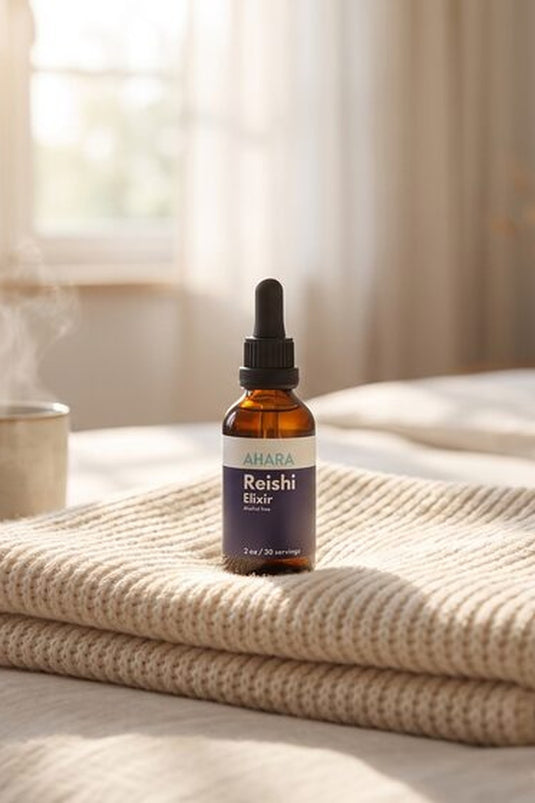
Reishi mushroom: Some parents report success with adaptogenic mushrooms for teenagers, particularly those with stress or anxiety affecting sleep. However, safety data for children under 18 is limited. The Ahara Reishi Elixir, for instance, is formulated for adults. If you’re considering any mushroom supplement for a teenager, consult your pediatrician first. Do not assume something is safe for teens just because it’s natural or has adult safety data. The adolescent brain is still developing, and long-term effects of regular adaptogenic use in teenagers are not well-studied.
Absolutely avoid: Melatonin supplements. Prescription sleep medications. Anything with untested safety in pediatrics.
The Problem with Melatonin for Kids
Melatonin is widely given to children, about 10% of US children take melatonin supplements, and this number is rising. Parents consider it safe because it’s natural and available over-the-counter. But the research raises legitimate concerns, particularly for long-term use.
Why it’s overprescribed: Melatonin works quickly for circadian rhythm problems and jet lag. It’s available without a prescription. It has few acute side effects in single doses. This creates a perfect storm for overuse, something that seems safe gets recommended widely without careful consideration of long-term effects.
The AAP hasn’t endorsed long-term use: The American Academy of Pediatrics acknowledges melatonin’s short-term use for circadian disorders but has NOT endorsed routine use for regular insomnia. The position on long-term safety in children is essentially “we don’t know enough.”
Hormonal concerns during puberty: Melatonin is not just a sleep aid; it’s a hormone. It affects reproductive hormone timing, immune function, and bone development. During puberty, when hormonal systems are exquisitely sensitive, the long-term effects of regularly suppressing melatonin fluctuations are unknown. Some researchers have raised concerns about potential effects on pubertal timing and reproductive development.
Tolerance develops the same way as in adults: Your child’s brain adapts. After weeks of nightly melatonin, it stops working, doses escalate, and you’re stuck.
Better alternatives exist: Since melatonin works through circadian signaling (telling the brain “it’s nighttime”), and since most childhood sleep problems aren’t circadian, melatonin is often the wrong tool. Anxiety-driven insomnia needs anxiolytic approaches. Sleep hygiene problems need environmental fixes. Giving melatonin for these issues is like giving a sleeping pill to someone whose insomnia is caused by an uncomfortable mattress.
The exceptions: Melatonin is appropriate for diagnosed circadian rhythm disorders, jet lag, or children with autism who have documented melatonin deficiency. In these cases, short-term use under pediatric supervision is reasonable. But routine use? The research doesn’t support it.
Sleep Hygiene for Kids (Non-Supplement Strategies)
This is where the real magic happens. Sleep hygiene changes are far better-researched than any supplement for children.
Consistent bedtime routine (more important than you think): A 30-minute wind-down routine signals to your child’s brain that sleep is coming. The routine itself matters less than consistency. Bath → pajamas → story → lights out. Every night, even weekends. Your child’s nervous system learns “this sequence means sleep,” and bedtime resistance drops dramatically.
Screen-free hour before bed: Blue light suppresses melatonin. The content (excitement, anxiety, social comparison) also activates the nervous system. Make it a house rule: no screens 60 minutes before sleep. This includes tablets, phones, and TV. If your teenager argues, frame it as a circadian biology fact, not punishment.
Cool, dark bedroom: 60 to 67°F is ideal. A room that’s too warm promotes wakefulness. Blackout curtains eliminate light cues. A white noise machine (not music, not podcasts, steady noise) masks disruptive sounds.
Physical activity during the day: Exercise is one of the strongest sleep promoters, especially outdoors. Morning or afternoon activity, not within 3 hours of bedtime, regulates circadian rhythm, burns energy, and reduces anxiety. Studies show that kids who exercise regularly have better sleep quality and fewer behavioral sleep problems.
Anxiety management techniques: If your child lies awake worrying, address the worry directly. Cognitive behavioral strategies work: “What’s the worst that could happen? What would you do? Is that manageable?” Journaling worries before bed. Progressive muscle relaxation. These skills also prevent anxiety from becoming a long-term sleep association.
Limit caffeine (often overlooked with kids): Soda, chocolate, energy drinks, and some “natural” beverages contain caffeine. A single soda can disrupt sleep in a 50-pound child. Caffeine is present up to 6 hours after consumption.
When Natural Remedies Aren’t Enough
Sleep issues aren’t always behavioral or environmental. Sometimes professional evaluation is needed.
See a pediatrician if: - Your child snores or seems to stop breathing during sleep (possible sleep apnea) - They’re still waking multiple times nightly after age 5 - They’re excessively sleepy during the day despite adequate night sleep - Sleep problems persist despite consistent sleep hygiene improvements - Bedtime anxiety is severe or involves panic symptoms
See a pediatric sleep specialist if: - Your pediatrician suspects a sleep disorder (apnea, restless leg syndrome, narcolepsy, periodic limb movement disorder) - Sleep problems significantly impact school performance or daytime function - Your child has a condition associated with sleep problems (autism, ADHD, anxiety disorder)
Consider behavioral sleep medicine (not supplements) if: - Your child has learned insomnia, they’ve associated bedtime with stress or resistance - Sleep onset association disorder (can only sleep if certain conditions are met) - Limit-setting sleep disorder (bedtime limits aren’t enforced)
Cognitive behavioral therapy for insomnia (CBT-I) adapted for children has strong evidence and often resolves even “difficult” sleep problems.
FAQs
What is the safest natural sleep aid for a child?
By evidence and safety: magnesium glycinate in appropriate doses, with pediatrician approval. By baseline risk: lavender aromatherapy or chamomile tea (very mild, unlikely to cause harm). By food form: tart cherry juice (contains trace melatonin naturally, safer than concentrated supplements). However, “safe” doesn’t mean “necessary”, most children benefit more from sleep hygiene changes.
Can I give my child melatonin every night?
Short answer: Ask your pediatrician. Long-term nightly melatonin in children hasn’t been adequately studied. The American Academy of Pediatrics doesn’t recommend routine use. If your child has a circadian disorder or diagnosed condition, nightly melatonin under medical supervision may be appropriate. For routine insomnia, better alternatives exist.
What can I give my 5-year-old to help them sleep?
Start with: consistent bedtime routine, screen-free evening, cool dark room, physical activity during the day, anxiety management. Then: if still needed, discuss with pediatrician about very mild options (chamomile tea, magnesium glycinate at low dose). Skip supplements entirely if sleep hygiene changes help.
Are mushroom supplements safe for kids?
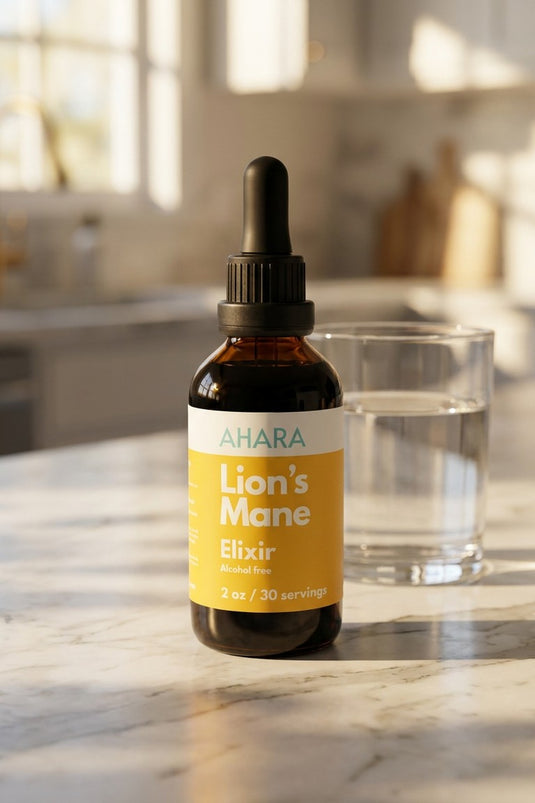
Mushroom adaptogens have not been adequately studied in children. Reishi, lion’s mane, and similar compounds are marketed for adults and should not be given to children without explicit pediatric approval. The concern isn’t acute toxicity (adaptogens are generally low-toxicity) but long-term effects on developing nervous systems, which haven’t been characterized. If you’re considering this, it’s a conversation with a pediatrician, not a self-directed decision.
The Bottom Line for Parents
Your instinct to find a gentle, natural solution to your child’s sleep problems is good. But the evidence suggests the solution is almost always behavioral and environmental, not supplemental.
A consistent bedtime routine, reduced screen time, physical activity, and a cool dark room will solve sleep problems in most children. These aren’t quick fixes, they take 2 to 4 weeks to show effects, but they work and they’re free.
Supplements can be a small additional tool once the basics are in place, but only under pediatric guidance and only after ruling out actual sleep disorders.
And if you’re exhausted from sleep battles, that’s valid too. Pediatric sleep is hard. Consulting a pediatric sleep specialist (if your insurance covers it) or reading evidence-based parenting books on sleep is often more helpful than any supplement.
References & Further Reading:
- American Academy of Pediatrics. (2020). “Melatonin Use in Children.” HealthyChildren.org.
- Bruni, O., et al. (2014). “Melatonin in Sleep Disorders in Children.” Sleep Medicine Reviews, 18(2), 93-104.
- Kellogg, T. A., et al. (2020). “Pediatric Insomnia.” Pediatric Clinics of North America, 68(5), 1067-1082.
- Massicotte-Marquez, Y., et al. (2015). “Cortisol levels in children with and without attention-deficit/hyperactivity disorder.” CNS Neuroscience & Therapeutics, 21(5), 423-430.
- Owens, J. A., et al. (2016). “Insufficient Sleep in Adolescents.” Sleep Health, 2(1), 86-89.
Internal Resources: - Melatonin Tolerance: Why Adenosine-Based Alternatives Are Emerging - Glycine for Sleep: How This Simple Amino Acid Improves Rest - GABA for Sleep: Natural Calming Pathways Explained
Note on Ahara Products and Children: Ahara Mushrooms products, including Reishi Elixir and Lion’s Mane Elixir, are formulated for and tested in adults. These are not recommended for children under 12 without explicit pediatric consultation. For teenagers 13 to 17, any mushroom supplement use should be discussed with a pediatrician first. Always prioritize behavioral and environmental sleep solutions for children, which have far stronger evidence bases than any supplement.